You Can Skip Baby Classes. You Can Also Go for the Company.
Baby classes can give a parent company and a reason to leave the house. Here's how I'd choose one without turning the week into a development project.
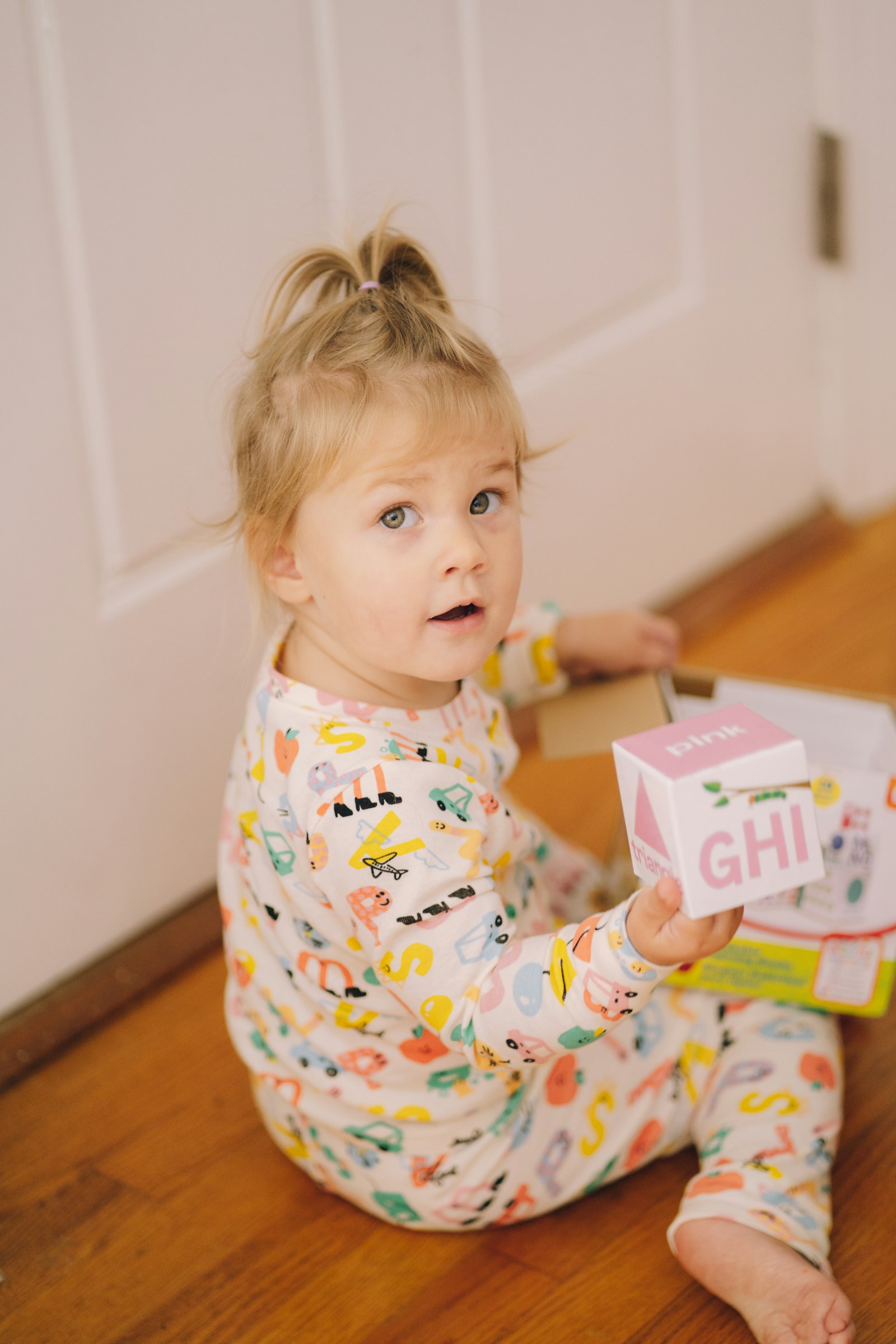
I’d sign up for a baby class because I wanted to go. The room looked welcoming, the journey seemed manageable, and there was a chance of speaking to another adult before lunchtime. That would be enough of a reason.
I’d be slower to sign up because I was worried that an empty Wednesday meant my baby was falling behind. A parent already has enough to organize without making a newborn’s calendar look like a college application.
A class can be lovely. It can give the week a shape, introduce you to someone nearby, or provide songs you enjoy repeating at home. It can also involve a fee, a difficult journey, and a baby who needs feeding the moment the activity begins. You get to consider all of that when deciding whether to return.
Your enjoyment belongs in the decision
“I need to get out of the house” is a useful description of a need. You don’t have to translate it into a claim about your baby’s future language skills before spending money or asking your partner to help you get there.
I’d choose a class with that need in mind. If conversation matters, ask whether there’s time for parents to stay afterward. If you’d like gentle structure, look for a session where arriving late or stepping out seems easy. A class can be professionally organized and still give a feeding baby room to behave like a feeding baby.
Think about how you’d like to feel on the way home. More connected? Glad you moved your body? Pleased to have learned a song? Those are reasonable outcomes. They also give you something concrete to judge after the trial session.
I’d be wary of continuing an expensive activity solely because you’ve already bought the right little outfit for it. Clothes can come to the park.
Ordinary play already gives you plenty to do
The AAP describes simple, responsive play as valuable from infancy: returning a smile, responding to a baby’s sounds, and offering safe things to explore. Its advice also encourages following the baby’s cues and taking a break when they’ve had enough.
That leaves a great deal of room for ordinary life. You can sing while getting dressed, share a book on the floor, or spend a few moments answering the sounds your baby makes. You don’t need to turn every interaction into an exercise with a learning objective.
I wouldn’t dismiss a class a family enjoys. I’d resist the idea that a paid timetable is the entry requirement for being an attentive parent. A class can add something useful to your week while the ordinary moments at home continue to matter.
If you’re worried about your baby’s development, bring the particular concern to their pediatrician. Signing up for another general activity shouldn’t become your substitute for asking the question directly.
Count the entire outing
A 45-minute class can occupy much more of a morning once you add dressing, feeding, travel, and getting home. I’d judge the whole outing before committing to a term.
Imagine a wet morning. Is there somewhere to put the stroller? Can you manage the entrance? Where could you feed or change the baby? Does the return trip fit with the rest of the household’s day? These practical questions are worth asking before payment.
I’d also read the missed-session policy. A baby doesn’t understand that the make-up class expires on Thursday. If a rigid booking arrangement makes every cancellation feel like throwing away money, a drop-in option might suit this stage better, even with a higher price per attendance.
One good nearby session would appeal to me more than a collection of impressive classes scattered across town. Getting there is part of what you’re buying.
Give the trial an honest review
After the first visit, ask whether you’d want to go again if nobody else knew you were attending. That removes some of the noise around what a baby is supposed to be doing.
Notice the adult experience as well as the activity. Did the person leading it make room for interruptions? Did you feel comfortable feeding, leaving briefly, or asking a question? Did the journey leave you with enough energy for the afternoon?
The baby sleeping through a session doesn’t automatically make it a waste. Perhaps you had a conversation you needed. Equally, you can decide the fee feels too high for what you got. You don’t owe the class another term because the teacher is pleasant.
You can say, “We’re keeping our weeks lighter for now,” without supplying a detailed account of your finances, feeding schedule, or child’s temperament.
Choose a free alternative when it suits you
Look at your local library’s current calendar, community listings, or an informal meet-up with someone you already know. Check the actual age range, registration requirements, and cost before turning up; an event’s name alone won’t tell you how it works.
A walk with another parent can be easier to rearrange than a prepaid session. A visit at home can remove a difficult journey. A regular coffee near the park can give you adult company without requiring the baby to participate in an organized activity.
These options have their own limitations. Weather changes, friends cancel, and a home visit can feel like hosting if expectations are unclear. Choose the arrangement whose inconveniences you’re willing to live with this month.
I’d send a specific invitation: “Fancy a short walk Tuesday morning? We can cancel if the night is rough.” That’s enough planning to create a possibility without making the week more brittle.
Stop when the arrangement stops helping
The class that worked six weeks ago may become awkward after a change in feeding, naps, work, or childcare. Reconsidering it is ordinary household management.
I’d let the adult who attends have a substantial say. Someone looking at a calendar from outside can miss the effort behind arriving at 9:30 with a changed, fed baby. If a partner loves the idea of keeping the class, they can try taking the whole outing themselves.
Keep attending while the experience earns its place. Pause when getting there leaves you resentful. Try again later if you miss it. I like a baby calendar with enough blank space for a bad night, a spontaneous visit, and a morning when leaving the apartment would require an argument with every sock in the drawer.