Come Meet the Baby. Please Bring Lunch.
Newborn visits should fit the recovering parent's day. Set expectations for timing, meals, overnight guests, and the relatives who arrive ready to be hosted.
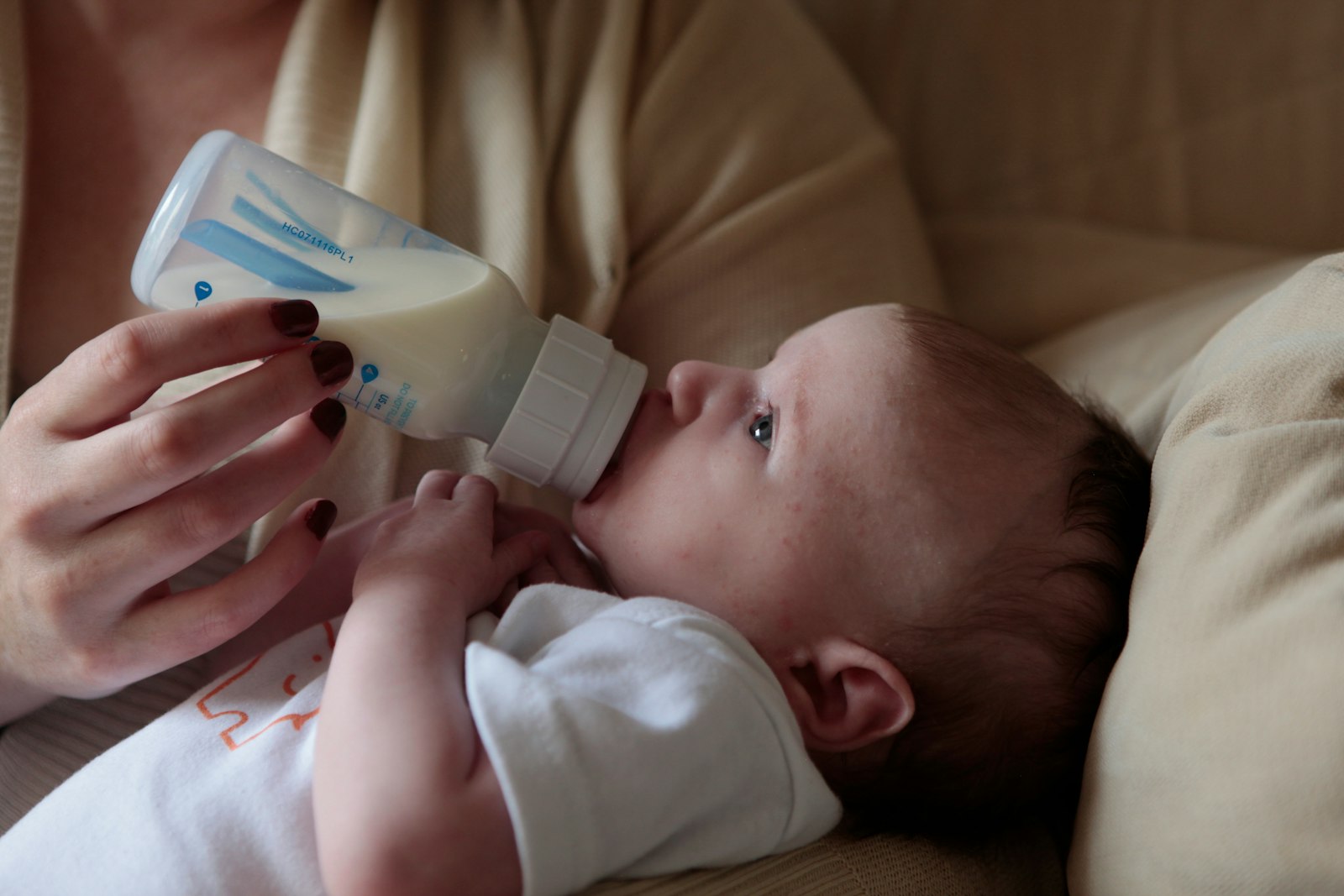
My favorite offer to new parents would be specific: “I can bring lunch on Saturday, leave it at the door, and go. Would that help?” It gives the family food and a choice about company. Nobody has to clean a bathroom before answering.
Meeting a baby is exciting. The parents still get to decide when their home can accommodate a visit and how much energy they have for it. A relative’s long journey deserves sensible planning; it doesn’t create an obligation for the recovering parent to host.
I’d make that arrangement early. The time to discover that “coming to help” means staying in your living room for a week is well before the suitcase arrives.
Say what kind of visit you’re offering
“You’re welcome to come by” can mean different things to different people. One visitor hears a short hello. Another hears lunch, a cup of tea, and an afternoon holding the baby while someone else searches for clean mugs.
Give the invitation edges. “We’d love to see you Sunday from two until half past. Please check with us that morning in case we need to move it.” A defined end makes leaving easier for a considerate guest and gives the parents something clear to refer to.
You can also accept practical help without agreeing to company. “A meal would be wonderful. We’re keeping the house quiet, so a doorstep drop-off would help most.” That answer is warm and complete.
I’d avoid promising visits around an imagined version of recovery. Leave yourself room to change a plan after you know how you’re feeling.
Bring the lunch the family wants
If someone offers food, tell them what would be useful. Ask about preferences before sending a meal yourself. Include enough detail that the recipient doesn’t have to finish the planning: portion size, delivery time, and whether it needs reheating.
A gift that arrives ready to eat can be especially welcome when every available hand already has a job. A complicated dish requiring oven space, serving bowls, and returning someone’s favorite casserole pot may create more work than intended.
I’d offer a choice between two simple options: “Would sandwiches at noon or dinner delivery tonight suit you?” The parents can answer quickly. They can also say neither without being assigned the task of designing a better favor.
If you’re ordering a meal as a gift, cover the fees and tip. The recipient should be able to enjoy it without reaching for a card at the door.
Holding the baby is only one way to help
Some parents would love someone to hold the baby while they shower or eat. Others want to keep the baby close and have somebody clear the kitchen. Ask which job is useful today.
I’d welcome a visitor who could accept “Please unload the dishwasher” as the answer to “What can I do?” The glamour of the task has little connection to its value.
Keep help bounded and respectful. Ask where things go instead of reorganizing the cupboards. Fold the laundry that’s been offered without commenting on the pile. If the parent wants the baby back, hand the baby back promptly. They don’t need to defend the timing.
For parents, one concrete request can be easier than saying you need help in general. “Could you take the trash down when you leave?” is a job someone can complete before the visit ends.
Let each partner manage their own relatives
I’d expect a partner to communicate the shared visiting plan to their family and deal with ordinary follow-up questions. Making the recovering parent explain the same boundary to every relative adds an avoidable task.
That means saying “We’re keeping visits short” rather than presenting one parent as the difficult person who invented the rule. Agree privately about what the household can manage and communicate it as a decision you’ve made together.
If a visitor stays beyond the arranged time, the partner who can manage the goodbye should do it. “We’re going to finish up now. Thanks for bringing dinner.” Nobody needs to keep sitting politely until the parent recovering from birth reaches their limit.
For a solo parent, a trusted friend or relative can take on the same communication job if that’s welcome. You can choose one person to coordinate offers and spare yourself a dozen overlapping message threads.
Overnight guests need a separate invitation
An overnight stay changes the household in ways a short visit doesn’t. Bathroom access, meals, noise, and the ability to retreat to your own room all become part of the arrangement. Decide whether that particular person’s presence would make the week easier.
Some relatives provide excellent, practical support. If that’s the arrangement you want, discuss the actual work, where everyone will sleep, and how long the stay will last. Affection doesn’t answer those questions on its own.
If you prefer a separate place for visitors to stay, say so before anyone books travel: “We’d love to see you, but we can’t host overnight. Please book accommodation, and we’ll arrange short visits around how we’re doing.”
I wouldn’t turn a new parent’s bedroom into guest space or expect them to maintain a social schedule because somebody has come from far away. The visit should fit the household’s capacity.
You can change your mind that morning
Canceling can feel awkward, especially with people you love. Keep the message direct: “We’ve had a difficult night and need to cancel today. We’ll contact you when we’re ready to rearrange.”
You don’t have to promise a replacement date immediately. That creates another commitment at the moment you’re trying to reduce them. A visitor who was bringing food can be offered the doorstep option if it would still help.
I’d apply the same courtesy in the other direction. Guests should ask before arriving, accept a changed plan, and avoid adding extra people to the visit without checking. The parents invited you; they haven’t necessarily prepared for your friend who happened to be nearby.
Make room for enjoyable company
Parents can want visitors. A familiar voice, a laugh, or someone sitting beside you while you feed the baby can be welcome. There’s no need to adopt a strict visiting policy that makes your own days lonelier merely because somebody online recommends one.
Choose the people whose company feels easy. Tell them what you need. Let them see the ordinary house, including the dishes, and ask them to leave when you’ve had enough.
I’d judge a good newborn visit by how the family feels afterward. Ideally they’ve had company they wanted, eaten something, and acquired less work than they had before the doorbell rang.